Katharina Rebay-Salisbury
|
 |
Analysing the link between reproduction and women’s social status, this project explores social responses to pregnancy, birth and childrearing from the late Neolithic to the late Iron Age (c. 3000–15 BC) through case studies in central Europe. Motherhood and childrearing, often seen as natural, mundane and inevitable parts of women’s lives, are also cultural and historically contingent practices that build the foundations of societies. Exploring the value of mothers to society aids in understanding important long-term developments such as social stratification, increasing population density and the entrenching of gender roles during the three millennia under investigation.
Bringing together the latest developments in archaeological science, including palaeo-pathology, dental analysis, ancient DNA and isotope analyses, with innovative interpretative approaches, this project explores whetherall women were expected to become mothers, highlights alternative lifeways, evaluates risks and consequences of becoming a mother and reflects on the social value of reproductive success.
It is the first study that systematically predicts the probability of whether or not a woman has given birth using palaeo-pathological markers, explores the age at first motherhood and the number of children per woman, and contextualises the findings with an in-depth status analysis of women’s graves.
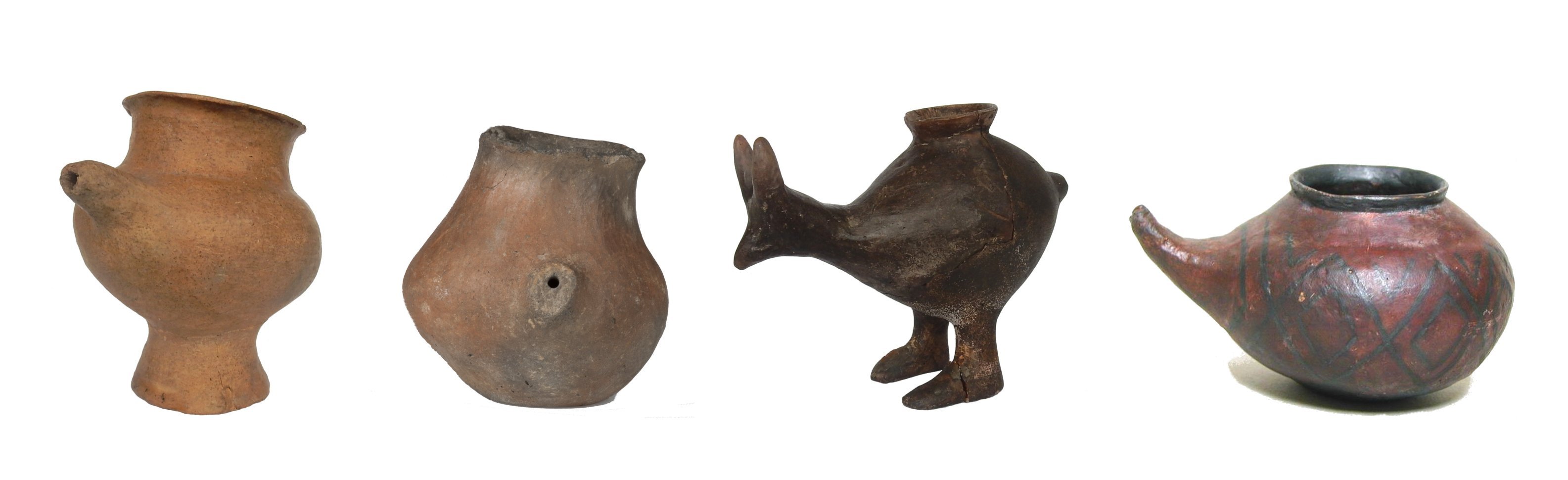
Graves of pregnant women, double burials of women and children, and infant burials provide further data. The study extends to childrearing (care, feeding, but also abuse, neglect and infanticide) and explores how children were treated after death for insights into their significance. Current political discourses about mothers in society and workforce frequently refer to ‘natural’ and ‘ancient’ childrearing practices. This project contributes significantly to our understanding of motherhood and counter naive narratives of childrearing in prehistory with science-based information.
…
|